Aasitha Gifts & Crafts Website

Aasitha Gifts and Crafts is a vibrant website that fosters creativity, inspires thoughtful gifting, and connects customers with a world of artistic expression. This platform is carefully designed to provide a seamless user experience that makes it easy to discover unique and handcrafted treasures.

Overview

The Problem

Many customers find it challenging to locate one-of-a-kind, handcrafted items that truly stand out. Generic marketplaces often lack the curation and personalization needed to discover unique pieces. Traditional online marketplaces often limit direct interaction between customers and artists. This can make it difficult for customers to learn about the inspiration, stories, and techniques behind the pieces.

The Goal

A user-friendly platform that makes it easy to find one-of-a-kind, handcrafted items. Easy to navigate and search for what you’re looking for, and learn about the products. Plus, the incorporated blog feature keeps you up-to-date on the latest trends and features articles about talented artisans and their work.

Project Scope

Design a responsive website for Aasitha Gifts.

Tool Used

Figma

Role

UX designer leading the responsive website design from conception to delivery.

Duration

February 2024 to March 2024

Understanding the user

User research: summary

I used the data collected on user preferences, shopping behaviors, and pain points when purchasing handcrafted items online which were then used to conduct interviews. Users encountered difficulties with navigating complex platforms, finding unique items, and trusting the quality of the products. They expressed the need for educational resources such as blog posts and tutorials, to learn more about gifts and crafts, and stay updated on industry trends.

User pain points

  1. Inconsistent shopping experiences: Customers faced difficulties navigating complex platforms and comparing products across different marketplaces.
  2. Limited access to local artisans: Customers who valued supporting local businesses struggled to find handcrafted items from artisans in their community.
  3. Lack of educational resources: Customers sought information about art and crafts, including tutorials and industry trends.
  4. Difficulty discovering new trends and emerging artists: Customers wanted to stay informed about the latest developments in the world of gifts and crafts.
  • User research
  • Personas
  • Problem statements

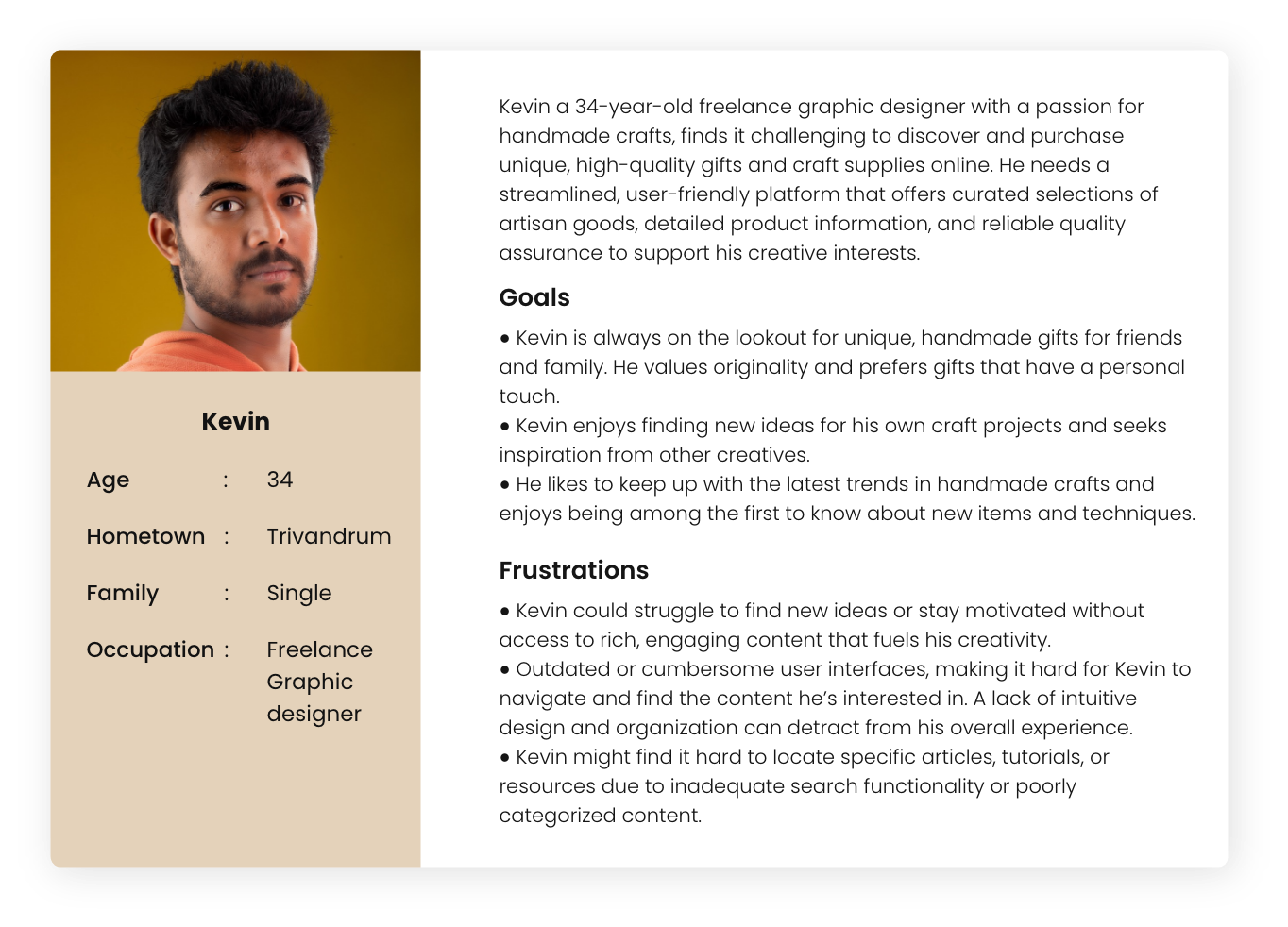
Persona 1: Kevin

Problem statement: Kevin, a 34-year-old freelance graphic designer who needs a streamlined, user-friendly platform that offers curated selections of artisan goods, detailed product information, and reliable quality assurance to support his creative interests.

Persona- Kevin

Starting the design

  • Paper wireframes
  • Digital wireframes
  • Low-fidelity prototype
  • Usability studies

Paper wireframes

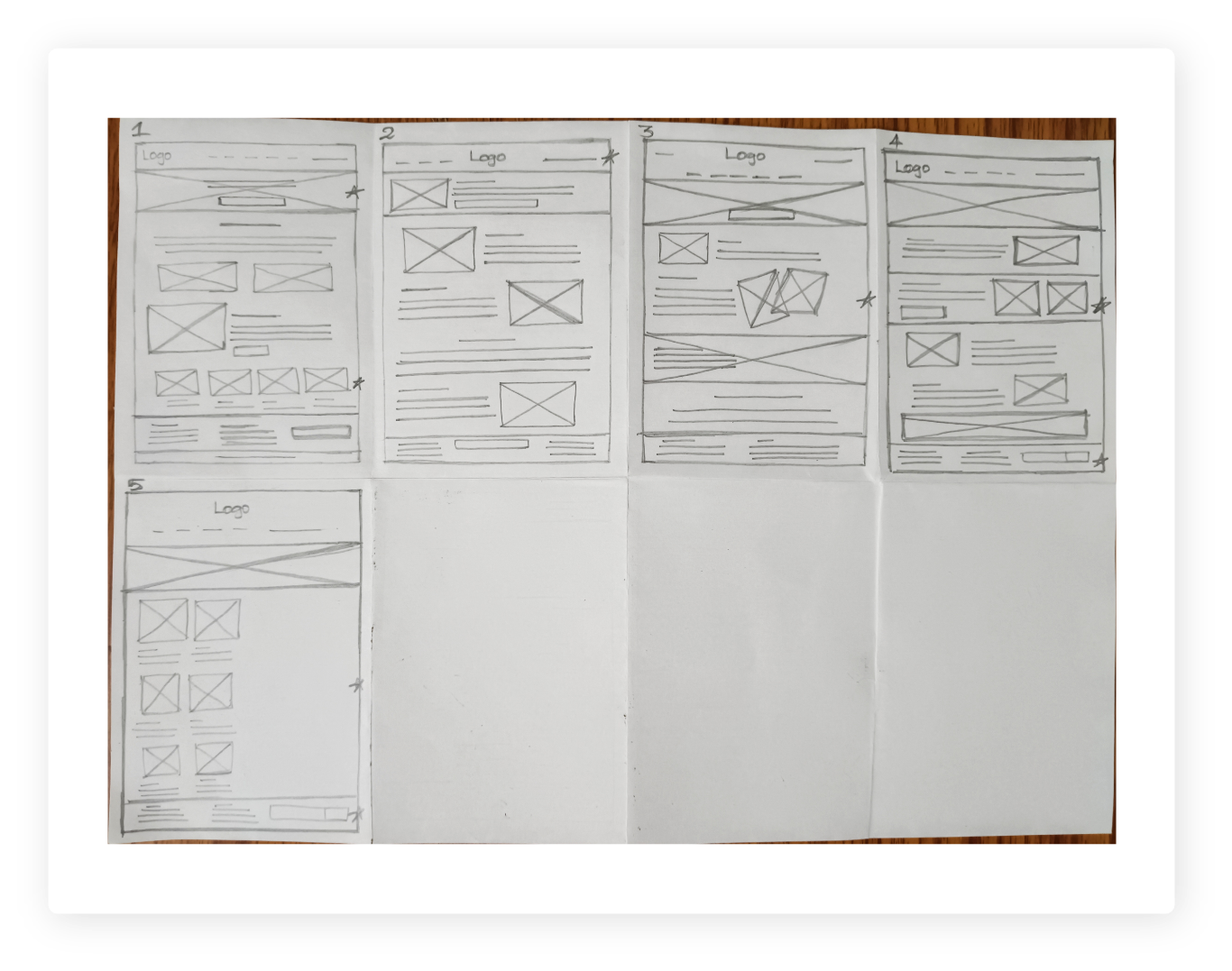
After initial study and research I created some paper wireframes for the home page of the website. Different iterations were made based on the initial research and then a screen which provides an easy and quick user flow was prioritized.

  • Paper wireframes
  • Digital wireframes
  • Low-fidelity prototype
  • Usability studies
AGC paper wireframe
Star is used to mark elements added in the final design.

Digital wireframes

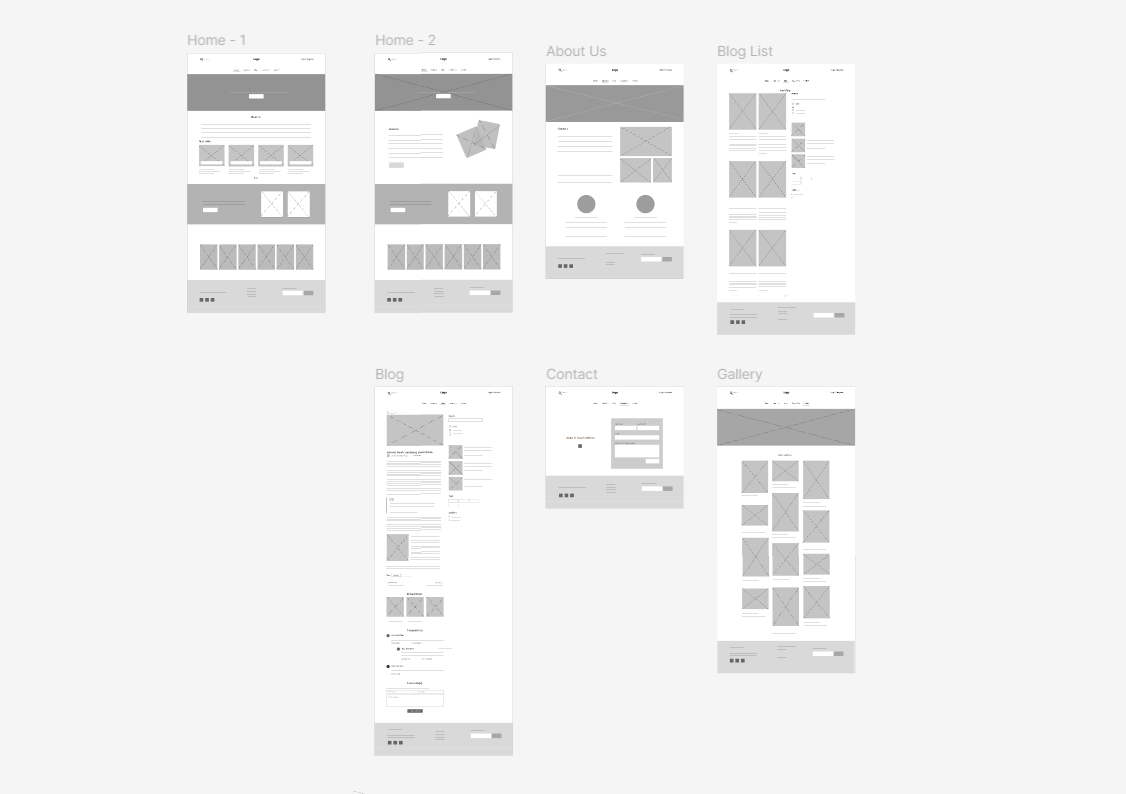
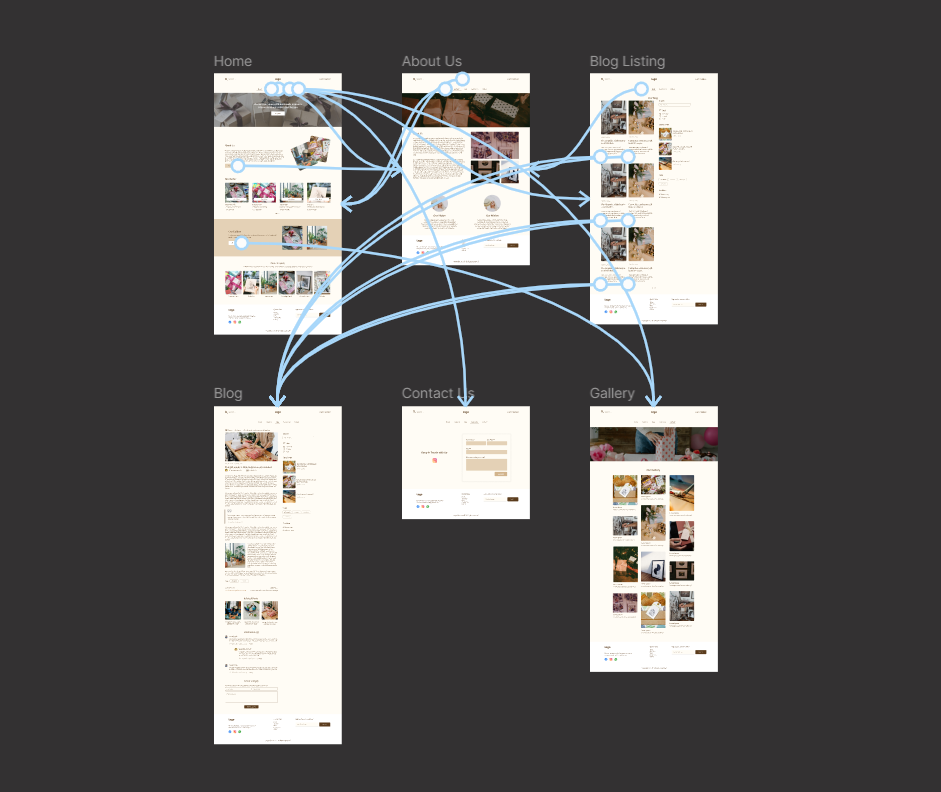
After ideating and drafting some paper wireframes, I created the initial designs for the website These designs focused on providing a seamless user experience that makes it easy to discover unique and handcrafted treasures.

Low-fidelity prototype

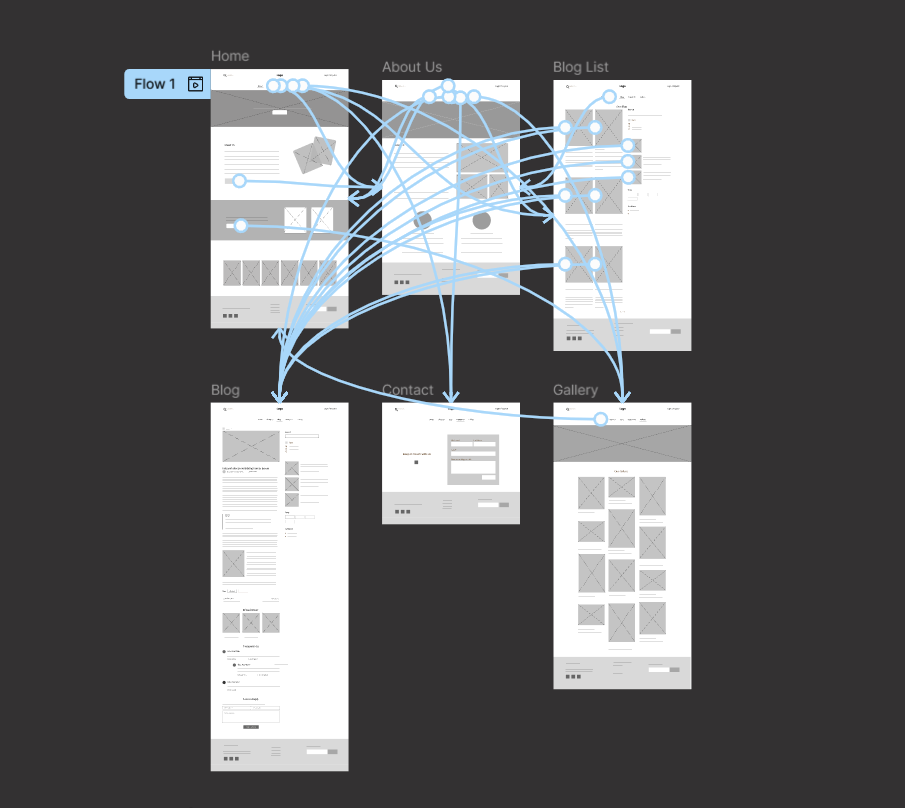
To prepare for usability testing, I created a low-fidelity prototype of the website to visualize the layout, structure, and overall user experience before moving to high-fidelity designs.

LOfi prototype

Usability study: parameters

Study type

Unmoderated usability study

Location

Thiruvananthapuram, Remote

Participants

5 participants

Length

30- 45 minutes

Usability study: findings

1

Features

People want easy access to handcrafted items that truly stand out.

2

User Interface

People prefer intuitive navigation.

3

Accessibility

People preferred voice assistance and multilingual texts.

Refining the design

  • Mockups
  • High-fidelity prototype
  • Accessibility

Mockups

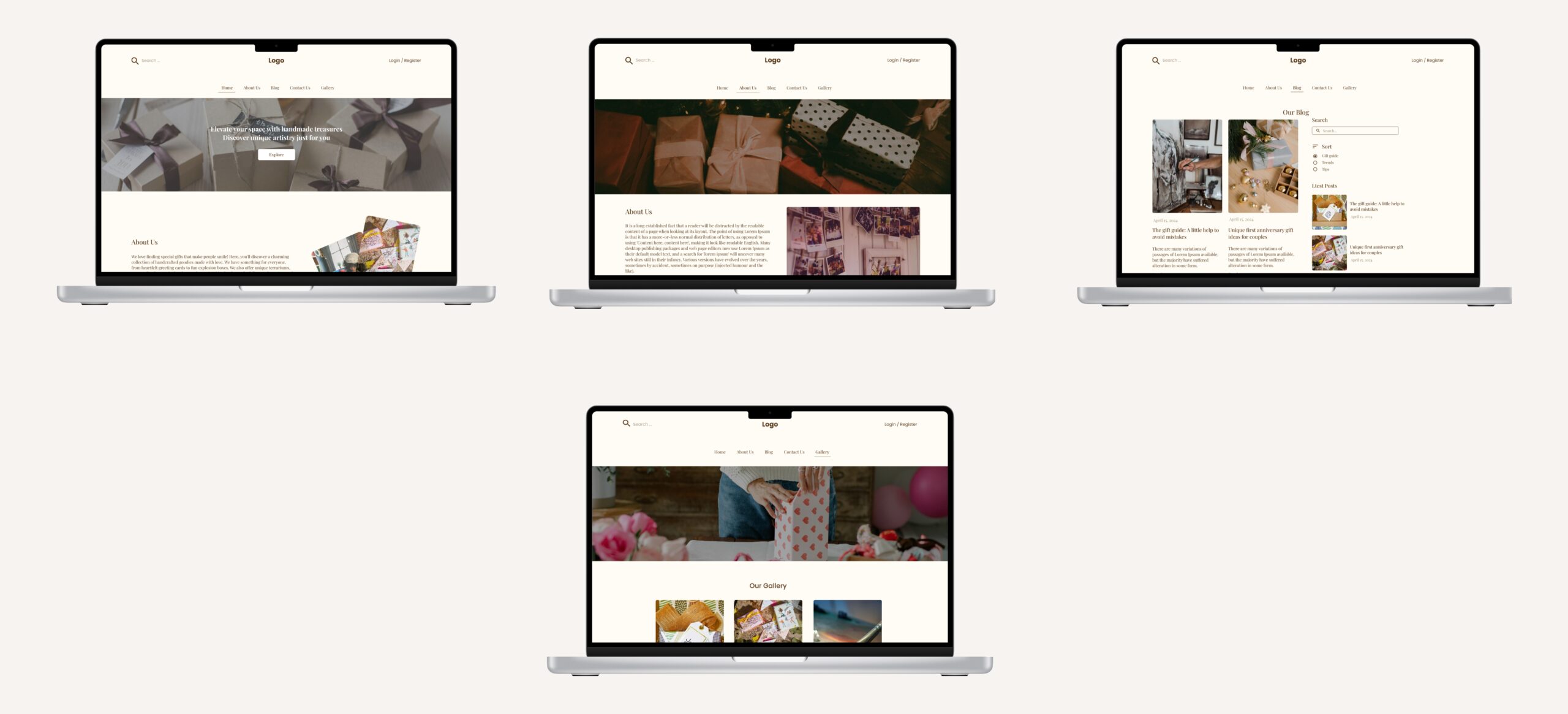
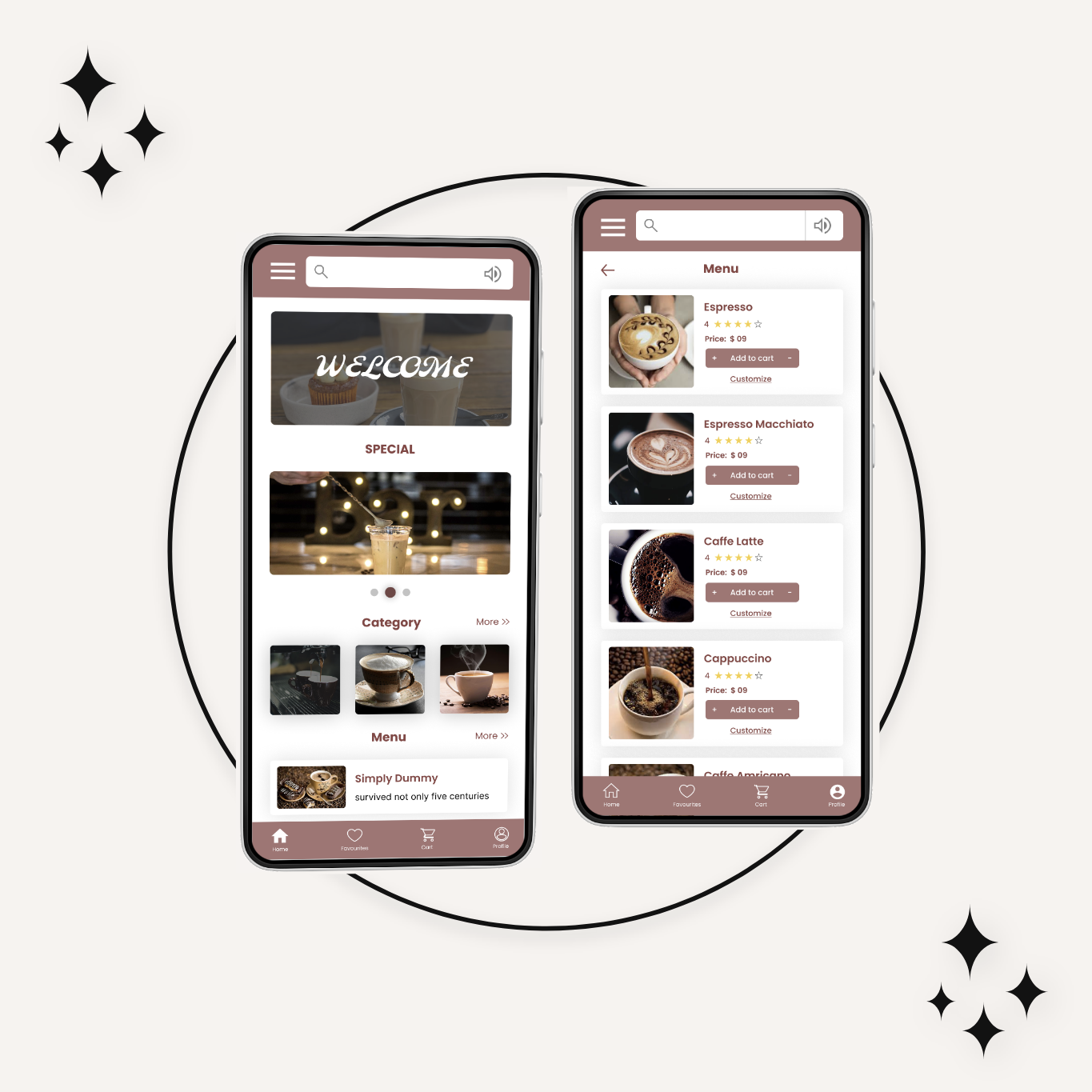
Based on the insights from the usability studies a user friendly mockup was created. Intuitive user experience was prioritised.

  • Mockups
  • High-fidelity prototype
  • Accessibility

Key mockups

High-fidelity 
prototype

Based on the insights from the usability studies, I applied design changes and created a better user experience.

Accessibility considerations

1

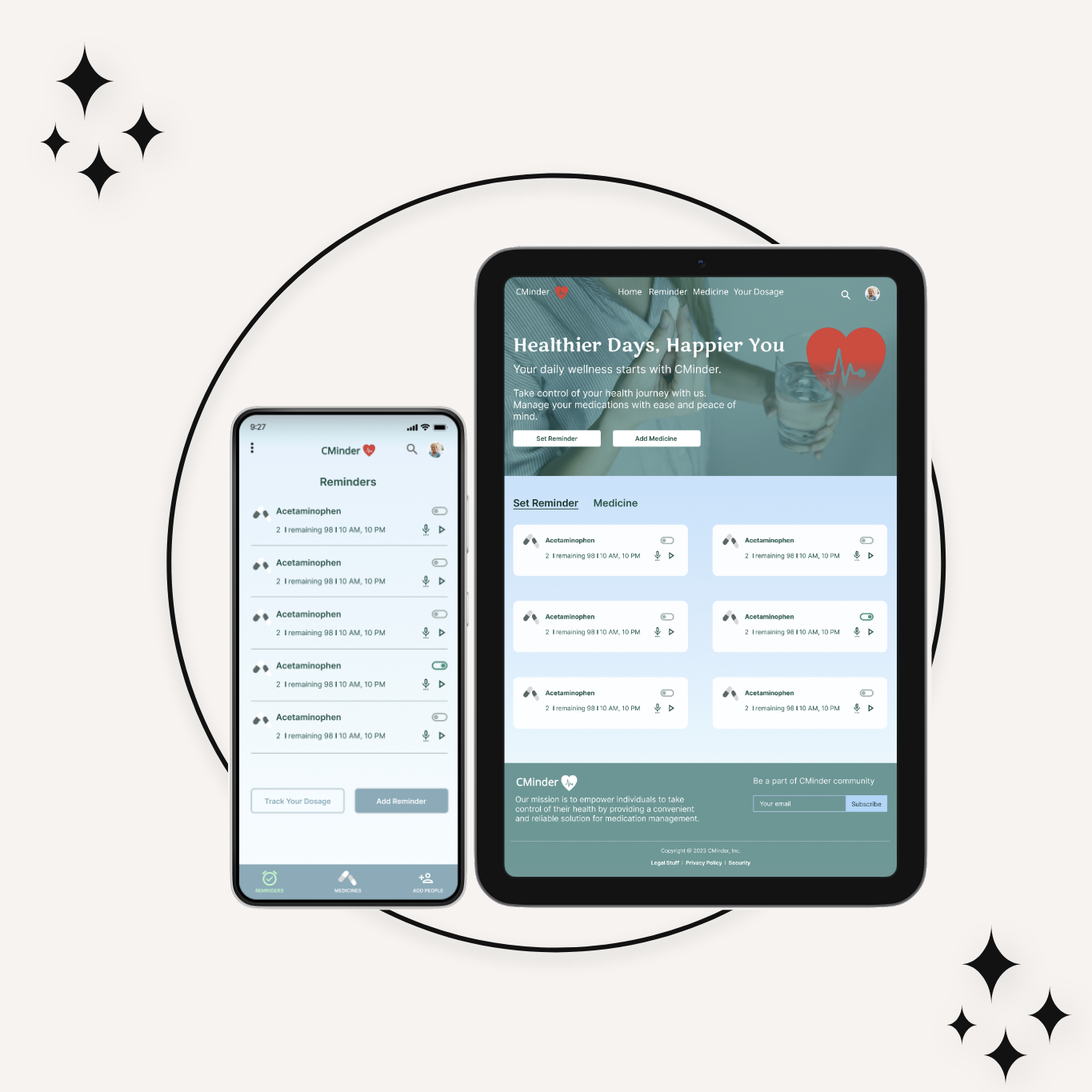
Intuitive home screen with clear buttons for add medicines and add reminders. The screen also displays the user profile along with the medical history.

2

Easy navigation through the screens which makes it easy to access for visually impaired users with the use of voice assistance.

3

An easy screen to track the dosage according to the reminders and medicines choosen.

Responsive Design

  • Information architecture
  • Responsive design

Sitemap

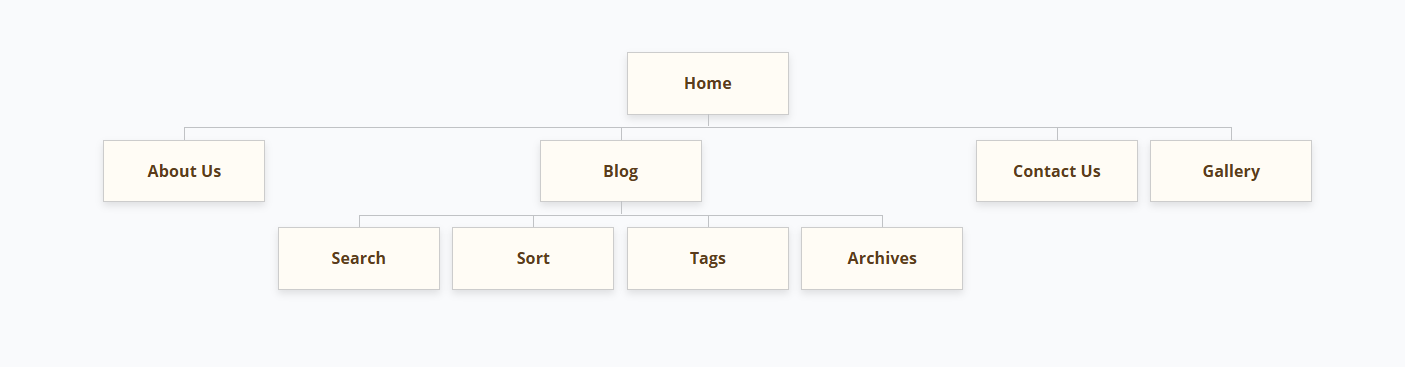
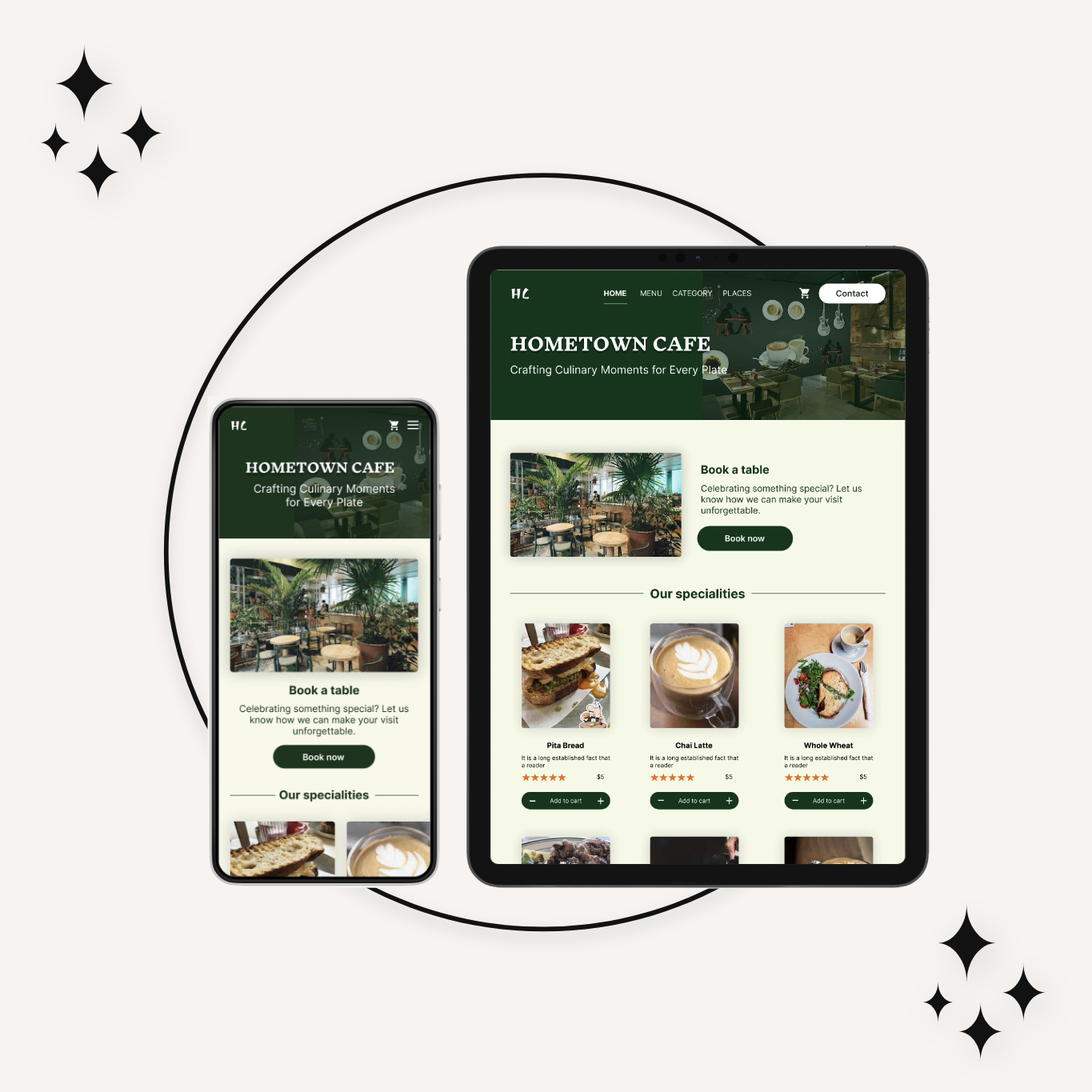
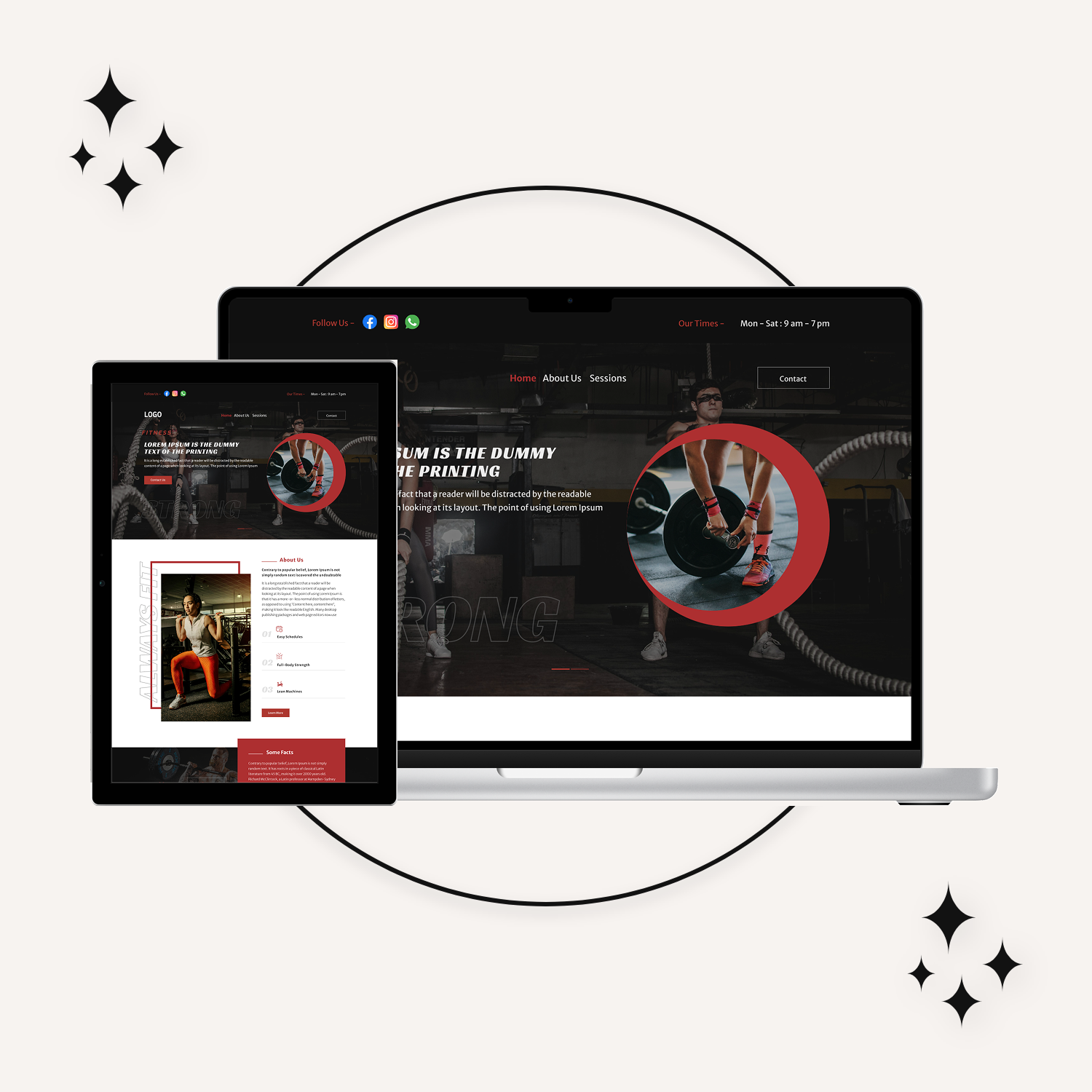
With the website design finalized, I transitioned to designing the responsive design for Aasitha Gifts and Crafts. I used the Aasitha Gifts and Crafts sitemap to guide the structure and layout of each screen, ensuring a seamless and intuitive browsing experience across all devices while maintaining the brand’s artistic and gift-oriented identity.

  • Information architecture
  • Responsive design
Site map

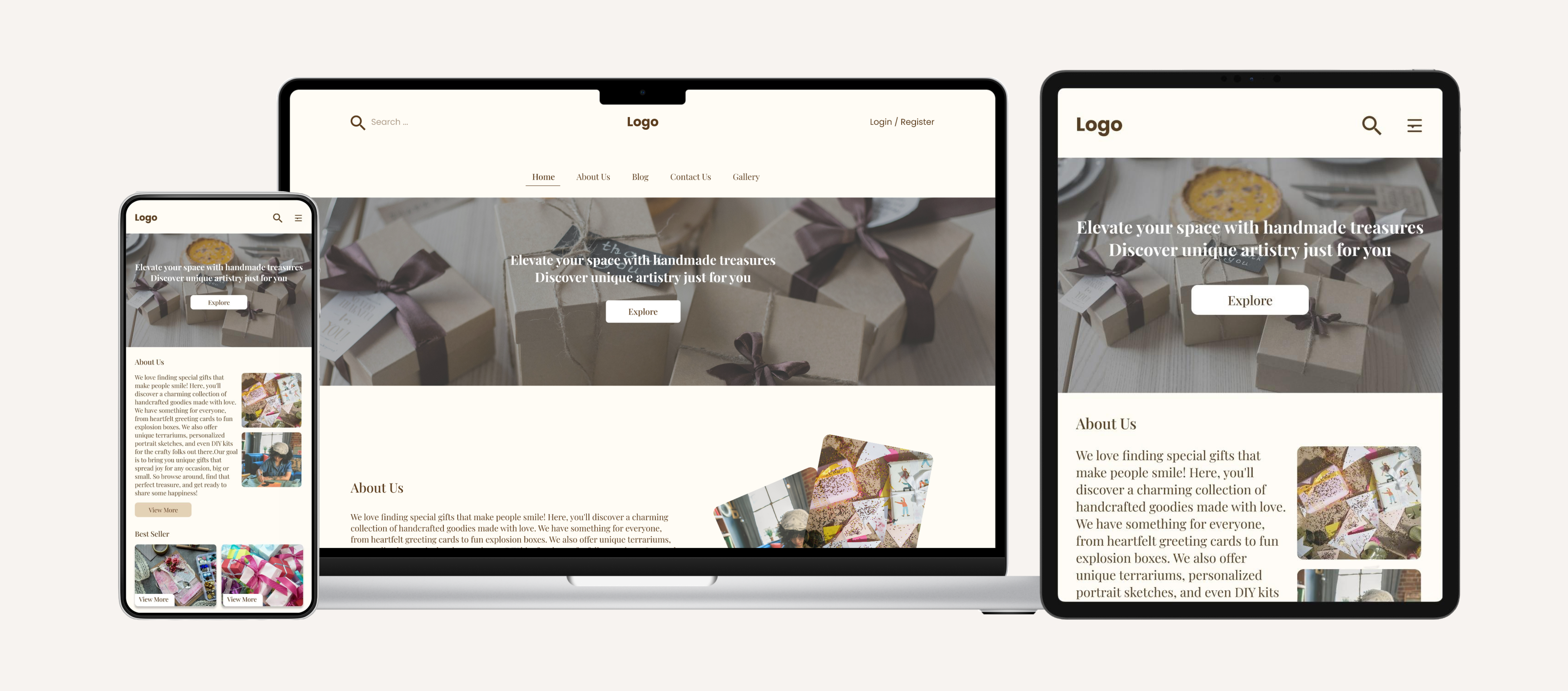
Responsive designs

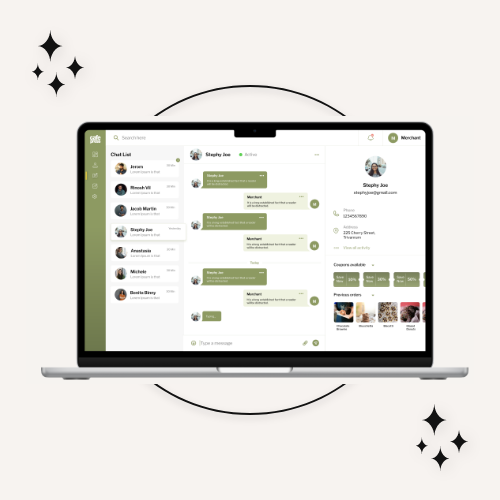
The designs for screen size variation included mobile, tablet, and desktop. I optimized the designs to fit specific user needs of each device and screen size.

Mockups

Going forward

  • Takeaways
  • Next steps

Takeaways

  • Takeaways
  • Next steps

Impact

Designing the responsive website for Aasitha Gifts and Crafts made it easier for users to browse through beautiful handmade gift items and find something special. People loved how organized and simple the layout was, which helped them learn more about the products.

What I learned

Through this project, I learned the value of designing with empathy and purpose. Understanding the needs of both users and artisans helped me create a platform that feels personal and inviting. I also realized how important it is to focus on small details, like making navigation intuitive and visually appealing, to enhance the overall user experience.

Next steps

1

Conduct surveys and usability tests to understand user satisfaction and pinpoint areas for improvement.

2

Introduce features that highlight artisan stories and creative processes to build stronger connections between users and creators.

3

Refine mobile navigation and visuals to ensure the platform remains seamless and engaging across all devices.

View other works